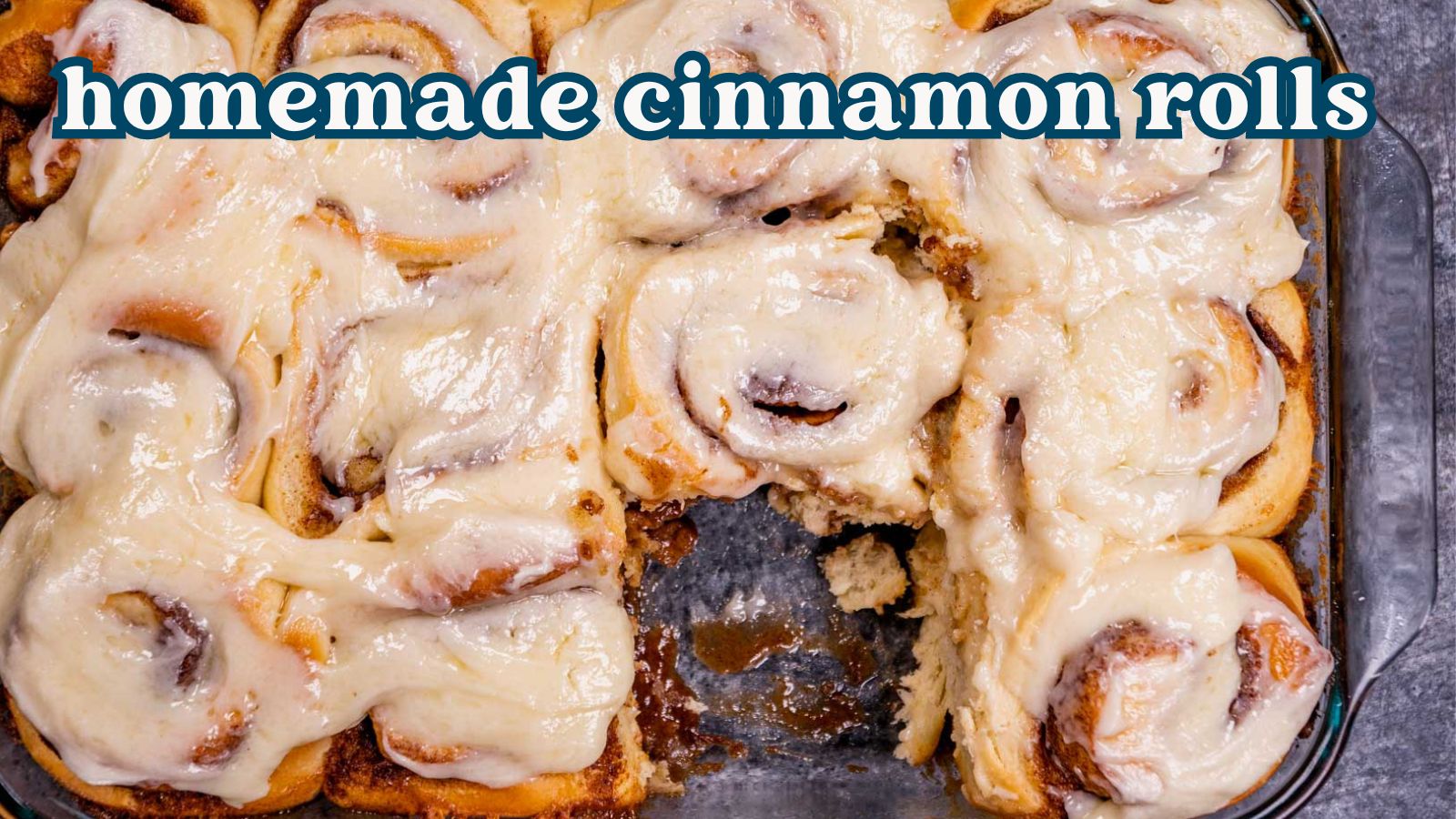
Homemade Cinnamon Rolls for Beginners: Your Easiest Path to Sweet Indulgence
Imagine waking up to the irresistible aroma of warm, gooey cinnamon rolls, fresh from your oven. Sounds like a dream, right? For many aspiring bakers, the thought of making cinnamon rolls from scratch can feel daunting, conjuring images of complex recipes, endless waiting, and sticky, unmanageable dough. But what if we told you that homemade cinnamon rolls are not only achievable for beginners but can also be incredibly quick and freezer-friendly?
This comprehensive guide is designed to demystify the art of baking cinnamon rolls, proving that you don't need years of baking experience to create a truly delicious breakfast treat. We'll explore two fantastic beginner-friendly approaches: the lightning-fast no-yeast method and the delightfully soft single-rise yeast method. Both promise a sweet reward without the typical fuss, making them perfect for busy mornings, special occasions, or simply satisfying that sudden craving for something truly comforting. Get ready to transform your kitchen into a bakery and enjoy the satisfying taste of success!
Why Homemade Cinnamon Rolls Are Easier Than You Think
The secret to simplifying cinnamon rolls lies in understanding the core techniques and choosing the right recipe for your skill level and time commitment. Gone are the days of multiple proofing stages and vigorous kneading. Modern adaptations make this classic pastry accessible to everyone, ensuring a delightful experience from start to finish.
The Magic of No-Yeast Cinnamon Rolls
For those who are truly short on time, intimidated by yeast, or just want instant gratification, the no-yeast cinnamon roll is a game-changer. This method skips the proofing and kneading entirely, relying on baking powder or baking soda to achieve a tender, cake-like texture. The result is a delicious breakfast treat that can be ready from scratch in about half an hour – a fraction of the time traditional recipes demand. It’s the perfect entry point for anyone venturing into homemade baking. You'll be amazed at how quickly you can whip up a batch, making spontaneous baking sessions a reality. Discover more about this express method by checking out our article on
Quick No-Yeast Cinnamon Rolls: Bake in Under An Hour!.
Embracing Yeast: The Single-Rise Method
If you're ready to dip your toes into the world of yeast baking without committing to an all-day project, the single-rise method is your ideal next step. This approach delivers that classic, fluffy, pull-apart texture that yeast is famous for, but with significantly less waiting time than traditional recipes. Instead of multiple rises, you only need one, streamlining the process without sacrificing flavor or softness. This method often involves dissolving the yeast in a warm milk and butter mixture before combining with dry ingredients, which can lead to even softer and fluffier rolls. It’s a fantastic way for yeast beginners to gain confidence, yielding truly satisfying results that rival your favorite bakery. To delve deeper into the nuances of these methods and find the perfect fit for you, explore our guide on
Master Easy Cinnamon Rolls: No-Yeast vs. Single Rise Methods.
Crafting the Perfect Roll: Essential Tips for Beginners
Whether you opt for a no-yeast marvel or a single-rise sensation, a few universal tips will elevate your homemade cinnamon rolls from good to absolutely glorious. These insights from seasoned recipe testers and bakers will ensure your baking journey is smooth and successful.
Dough Handling: Don't Be Afraid to Get Sticky!
One of the most common anxieties for beginner bakers is handling dough. The truth is, a good cinnamon roll dough is often soft and slightly sticky, which is perfectly normal and contributes to its tender texture. Don't be tempted to add too much flour, as this can lead to dry, tough rolls. Instead, embrace the stickiness!
*
Flour Your Surface: A lightly floured countertop provides the perfect workspace.
*
Use a Bench Scraper: This simple tool is incredibly versatile. It helps you lift and roll the dough cleanly without it sticking to your hands or the counter, making the rolling process much smoother. Think of it as an extension of your hands for easier manipulation.
*
Keep Moving: Work efficiently but gently. The less time the dough sits, the less likely it is to become overly sticky.
The Art of the Swirl: Cutting Your Rolls
Achieving that iconic, beautiful cinnamon swirl often comes down to how you cut your rolled dough. A clean cut prevents the layers from tearing and helps maintain the shape of each roll.
*
Sharp Knife is Key: A well-sharpened chef's knife or serrated knife will slice through the dough cleanly, creating distinct layers. Make swift, decisive cuts.
*
The Dental Floss Trick: For an incredibly clean, tear-free cut, unscented dental floss is your secret weapon. Simply slide a piece of floss under the rolled dough, cross the ends over the top, and pull them firmly to slice through. This method is particularly effective for very soft or sticky doughs.
*
Even Sizes: Aim for rolls of similar thickness (usually 1 to 1.5 inches) to ensure even baking.
Icing On Top: Warm & Gooey Perfection
No cinnamon roll is complete without a luscious topping. While a simple glaze can be delightful, a rich cream cheese frosting takes these treats to another level. And here's a professional secret: timing is everything when it comes to icing!
*
Don't Wait to Ice: Contrary to what you might expect, there's no need to let your cinnamon rolls cool completely before applying the icing. In fact, drizzling or spreading the frosting over warm rolls allows it to melt slightly, creating that irresistible gooey texture and helping it spread effortlessly into every nook and cranny.
*
Optional Frosting: Many
cinnamon rolls recipe variations include a simple 5-ingredient cream cheese icing. But remember, it's optional! For ultimate simplicity, you can leave them plain, dust them with powdered sugar, or even use a good quality store-bought frosting.
*
Frosting Quantity: Don't be shy with the frosting! Most recipes yield a generous amount for a reason – it’s often the best part. If you find you have too much, you can always reserve half for another batch or another use.
Make-Ahead Mastery: Freezing Your Homemade Cinnamon Rolls
One of the most incredible benefits of making cinnamon rolls from scratch is their freezer-friendliness. This feature transforms them from a special occasion treat into a convenient option for any day of the week, allowing you to enjoy fresh-baked goodness with minimal effort whenever the craving strikes.
Why Freeze? Convenience and Freshness
Freezing homemade cinnamon rolls is a game-changer for meal prep and busy schedules. Imagine having a stash of ready-to-reheat cinnamon rolls for unexpected guests, a last-minute brunch, or a quick comforting breakfast. It locks in their freshness, ensuring that even after thawing and reheating, they taste remarkably close to freshly baked. This makes them an excellent addition to your make-ahead menu, especially for holidays like Easter brunch or any time you need a special breakfast without the morning rush.
How to Freeze Baked Cinnamon Rolls Like a Pro
To protect your baked cinnamon rolls from freezer burn and preserve their delicious texture and flavor for up to three months, proper wrapping is crucial.
1.
Cool Completely (if icing applied): If you’ve already iced your cinnamon rolls, allow them to cool completely so the frosting sets. This prevents it from sticking to the wrapping. If you plan to ice them after reheating, you can skip this step.
2.
Individual Wrapping: For best results, wrap each individual cinnamon roll. Start with one layer of plastic storage wrap, ensuring it's sealed tightly around the roll to prevent air exposure.
3.
Double Protection: Follow with a layer of heavy-duty aluminum foil. This second layer provides an extra barrier against freezer burn and protects the rolls from odors in the freezer.
4.
Bag or Container: Place the double-wrapped rolls into a large freezer bag or an airtight freezer-safe container for an additional layer of protection and organization. Label with the date.
Thawing and Reheating for Instant Indulgence
When you're ready to enjoy your frozen cinnamon rolls, the process is simple:
1.
Thaw Overnight: Transfer the desired number of wrapped cinnamon rolls to the refrigerator and let them thaw overnight.
2.
Reheat in Microwave: For a quick reheat, place an unwrapped cinnamon roll on a microwave-safe plate. Microwave on high for 20-30 seconds, or until warmed through and gooey. Adjust time for multiple rolls.
3.
Reheat in Oven: For a more evenly heated and slightly crisper exterior, preheat your oven to 300°F (150°C). Place unwrapped rolls on a baking sheet and heat for 10-15 minutes, or until warmed through. This method is especially good for larger batches.
4.
Add Fresh Icing: If you froze your rolls un-iced, now is the perfect time to warm up your cream cheese frosting (or make a fresh batch) and slather it over the warm rolls!
Homemade cinnamon rolls are a testament to the fact that delicious baking doesn't have to be complicated. With accessible methods like no-yeast and single-rise techniques, coupled with smart freezing strategies, you can enjoy these sweet, comforting treats any time you desire. It’s a hundred times more satisfying than popping open a store-bought can, and the aroma alone is worth the minimal effort. So, roll up your sleeves, pick your preferred method, and get ready to create some truly unforgettable breakfast magic. Happy baking!