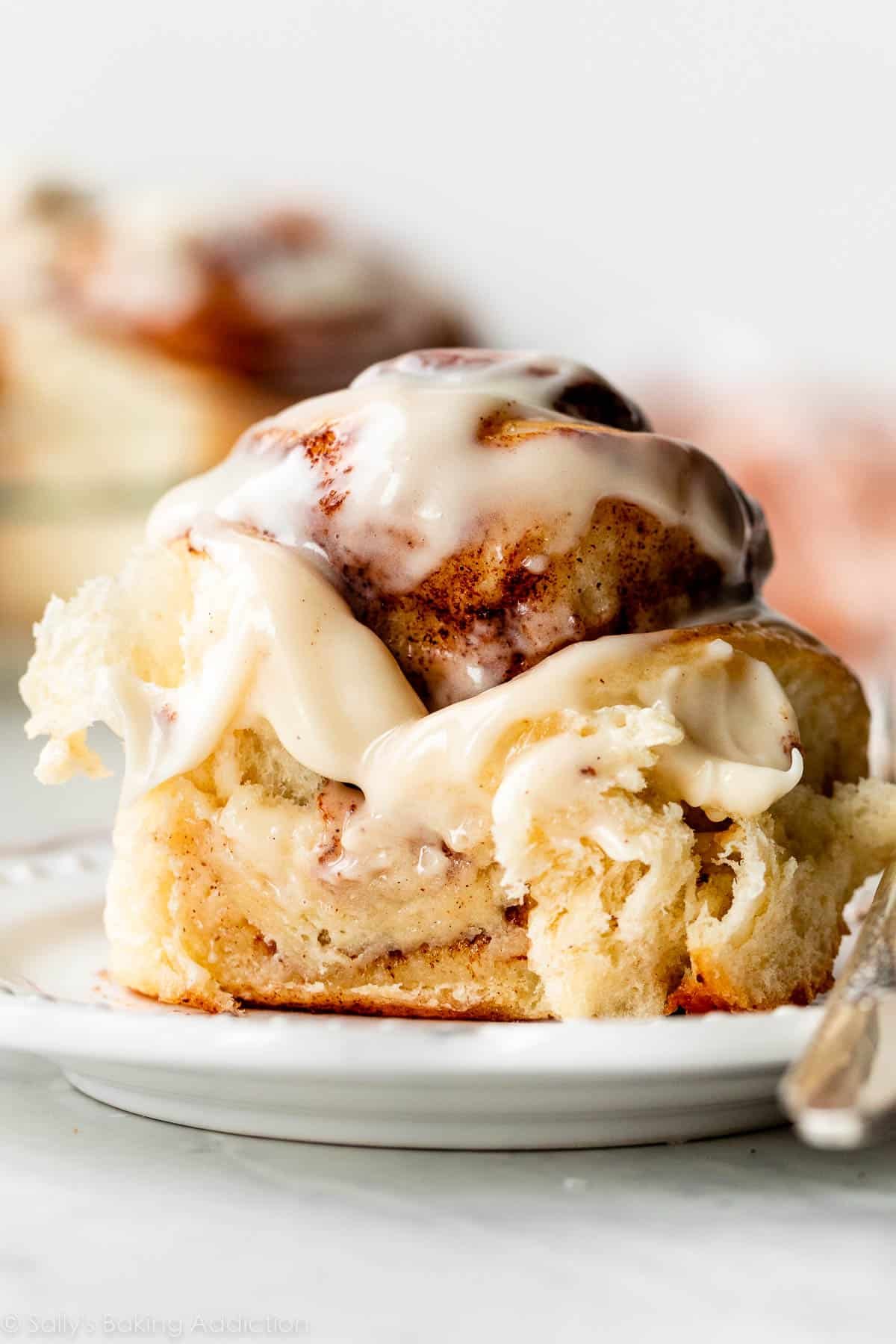
There's something uniquely comforting about a warm, gooey cinnamon roll, fresh from the oven, drizzled with sweet cream cheese frosting. It’s the ultimate breakfast indulgence or a perfect afternoon treat. For many, the idea of making them from scratch can seem daunting, conjuring images of hours spent kneading dough and waiting for multiple rises. But what if we told you that heavenly, homemade cinnamon rolls are more accessible than you think? This guide delves into two fantastic approaches to simplify your baking journey: the speedy no-yeast cinnamon rolls recipe and the surprisingly easy single-rise method.
Whether you're a baking novice, short on time, or simply looking for a quicker path to deliciousness, mastering an easy cinnamon rolls recipe is within your reach. We'll explore the unique characteristics of each method, offer practical tips for success, and help you decide which approach best suits your kitchen and your cravings.
The Allure of Quick Cinnamon Rolls: No-Yeast Method
Imagine waking up with a sudden craving for warm cinnamon rolls and having them ready in just over half an hour. That's the magic of the no-yeast method. This approach completely bypasses the need for yeast, which means no proofing, no elaborate kneading, and significantly less waiting time. It's truly a game-changer for spontaneous bakers and those who find yeast-based recipes intimidating.
Speed and Simplicity: Why No-Yeast Reigns Supreme
At the heart of the no-yeast cinnamon roll lies a simple chemical leavener, typically baking powder or a combination of baking powder and baking soda. These ingredients react with liquids and acids in the dough (like buttermilk or vinegar added to milk) to produce carbon dioxide gas, creating lift and a tender crumb. Unlike yeast, which requires specific temperatures and time to activate, chemical leaveners work almost instantly when exposed to heat, resulting in a much faster bake time.
This makes the no-yeast cinnamon rolls recipe perfect for:
- Beginner Bakers: Without the variables of yeast activation, these rolls are highly forgiving.
- Time-Pressed Mornings: From mixing bowl to breakfast table in under an hour.
- Pantry Staples: Most ingredients are likely already in your kitchen, making last-minute baking a breeze.
- Dense, Biscuit-Like Texture: While not as airy as traditional yeast rolls, they offer a delightful, slightly denser, and wonderfully tender texture often compared to a scone or biscuit, perfect for soaking up that sweet icing.
Mastering Your No-Yeast Cinnamon Rolls Recipe
Even with its simplicity, a few tips can elevate your no-yeast rolls:
- Dough Consistency: The dough for no-yeast rolls is often soft and slightly sticky. Don't be tempted to add too much flour, as this can lead to dry rolls. Instead, a light dusting of flour on your work surface and hands, along with a bench scraper, will make handling and rolling much easier.
- Even Rolling: Aim for an even thickness when rolling out your dough to ensure consistent baking. This also helps create a beautiful, uniform swirl.
- Cutting Techniques: For clean, professional-looking rolls, use a very sharp knife, lightly floured. Alternatively, unscented dental floss is a baker's secret weapon: slide it under the log of dough, cross the ends over the top, and pull to slice through without squashing.
- Icing Immediately: There's no need to wait for these rolls to cool before adding the frosting. In fact, applying it while the rolls are still warm helps the icing melt slightly and spread beautifully, creating that irresistible gooey glaze.
Ready to try them out? You can find a fantastic guide on our site: Quick No-Yeast Cinnamon Rolls: Bake In Under an Hour!
Embrace the Fluff: Single-Rise Cinnamon Rolls for the Win
For those who crave the classic, cloud-like softness of traditional yeast cinnamon rolls but don't have all day, the single-rise method is your sweet spot. This approach significantly cuts down on the overall time required by eliminating one of the traditional proofing stages, yet still delivers that iconic fluffy texture and rich, yeasty flavor that so many adore.
The Magic of Yeast, Simplified: One Rise Is All You Need
Traditional yeast-based recipes often call for two rises: one after kneading the dough (bulk fermentation) and another after the rolls are shaped (final proof). The single-rise method cleverly optimizes the process, allowing the dough to develop its flavor and structure sufficiently with just one controlled rise, usually after the rolls have been shaped. This means you still get the airy, soft crumb that yeast provides, along with that characteristic elasticity and depth of flavor, but without the extended wait.
Here’s why you’ll love this easy cinnamon rolls recipe:
- Traditional Texture, Half the Time: Enjoy the softest, fluffiest rolls with a delightful chew, reminiscent of your favorite bakery, but in a fraction of the time.
- Gooey Cinnamon Swirl: The yeast dough provides the perfect canvas for a generous, buttery cinnamon-sugar filling that melts into an irresistible gooey swirl.
- Yeast Beginner-Friendly: This method is often recommended for those new to baking with yeast, as it's more forgiving than multi-rise recipes. A key tip for success is dissolving your active dry yeast directly into warm milk and melted butter before combining with dry ingredients. This step ensures the yeast is properly activated and contributes to an even softer, fluffier final product.
- Excellent Make-Ahead Option: The single-rise dough, especially when cold-proofed in the fridge overnight after shaping, makes these rolls incredibly versatile for holiday mornings or preparing ahead of time.
Tips for Your Best Single-Rise Cinnamon Rolls Recipe
Achieving bakery-quality single-rise rolls is easier with these insights:
- Temperature Control is Key: Yeast is sensitive to temperature. Ensure your milk and butter mixture is warm (around 105-115°F or 40-46°C) – warm enough to activate the yeast but not so hot that it kills it. Use a thermometer if unsure.
- Gentle Kneading: While reduced, some light kneading is usually involved to develop gluten, which gives the rolls their structure and chew. Don't overdo it; aim for a smooth, elastic dough.
- Warm Rising Environment: Find a cozy spot for your rolls to rise. A slightly warm oven (turned off, with just the light on), or a draft-free countertop, can encourage a good rise. A good rise will yield that beautiful, airy texture.
- Don't Skimp on the Filling: Generously spread your butter, cinnamon, and sugar mixture to ensure every bite is packed with flavor and gooeyness.
To dive deeper into this method, check out our guide: Homemade Cinnamon Rolls for Beginners: Easy & Freezer-Friendly.
Choosing Your Perfect Cinnamon Rolls Recipe: No-Yeast vs. Single-Rise
Both no-yeast and single-rise methods offer fantastic ways to enjoy homemade cinnamon rolls without the fuss of traditional, multi-day recipes. Your choice ultimately depends on your priorities, time constraints, and desired texture.
When to Choose No-Yeast:
- Instant Gratification: When you need warm rolls on the table in under an hour.
- Yeast Aversion: If you're new to baking or simply prefer to avoid working with yeast.
- Denser Texture Preference: If you enjoy a tender, biscuit-like crumb that is still moist and delicious.
- Minimal Ingredient List: Often uses fewer specialized ingredients.
When to Choose Single-Rise:
- Traditional Fluffiness: When the airy, soft, and chewy texture of classic yeast rolls is your top priority.
- Developing Yeast Skills: A great entry point for bakers wanting to become more comfortable with yeast.
- Make-Ahead Planning: Perfect for preparing dough or shaped rolls the night before for a fresh-baked breakfast the next day.
- Gooey Swirl Perfection: The yeast dough's structure often holds the rich filling beautifully, contributing to an extra gooey center.
General Pro Tips for Any Cinnamon Rolls Recipe
Regardless of the method you choose, these universal tips will help ensure your homemade cinnamon rolls are a resounding success:
- Quality Ingredients: Fresh, good-quality butter, aromatic cinnamon, and fresh flour make a noticeable difference in flavor.
- Don't Over-Flour: Especially with no-yeast dough, adding too much flour can make your rolls dry and tough. A slightly sticky dough is often ideal.
- Roll Evenly: Aim for a rectangular shape and consistent thickness when rolling out your dough. This ensures uniform rolls and an appealing swirl.
- Generous Filling: Don't be shy with the butter, cinnamon, and sugar mixture. It's what makes the rolls so irresistible.
- Sharp Knife or Floss: For clean cuts and perfectly shaped rolls, use a very sharp knife or unscented dental floss. This prevents the dough from squishing and tearing.
- Serve Warm: While delicious at any temperature, cinnamon rolls are truly heavenly when served warm, especially with melted frosting.
- Storage & Freezing: Store baked cinnamon rolls in an airtight container at room temperature for a day or in the fridge for up to a week. For longer storage, freeze individual rolls by wrapping them first in plastic wrap, then in aluminum foil, for up to three months. Thaw overnight in the fridge and reheat gently in the microwave or oven for that fresh-baked taste. You can also freeze unbaked, shaped single-rise rolls, then thaw, let rise, and bake when ready.
No matter which cinnamon rolls recipe you choose, the satisfaction of pulling a pan of warm, fragrant, homemade rolls from your oven is unparalleled. Both the no-yeast and single-rise methods offer distinct advantages, making delicious, easy cinnamon rolls an achievable dream for any home baker. So, preheat your oven, gather your ingredients, and get ready to fill your kitchen with the irresistible aroma of freshly baked cinnamon rolls. Happy baking!
